Skip to content

CNC lathe automation uses intelligent systems and automatic loading and unloading to help the manufacturing industry achieve continuous, efficient, and precise production, saving both time and labor. Therefore, it can meet the needs of high-efficiency production of replica parts in industries such as aerospace and automotive manufacturing.

In today’s rapidly evolving technological landscape, the manufacturing industry is undergoing a profound transformation. As a core driving force, CNC lathe automation is propelling the manufacturing industry towards greater efficiency and intelligence.
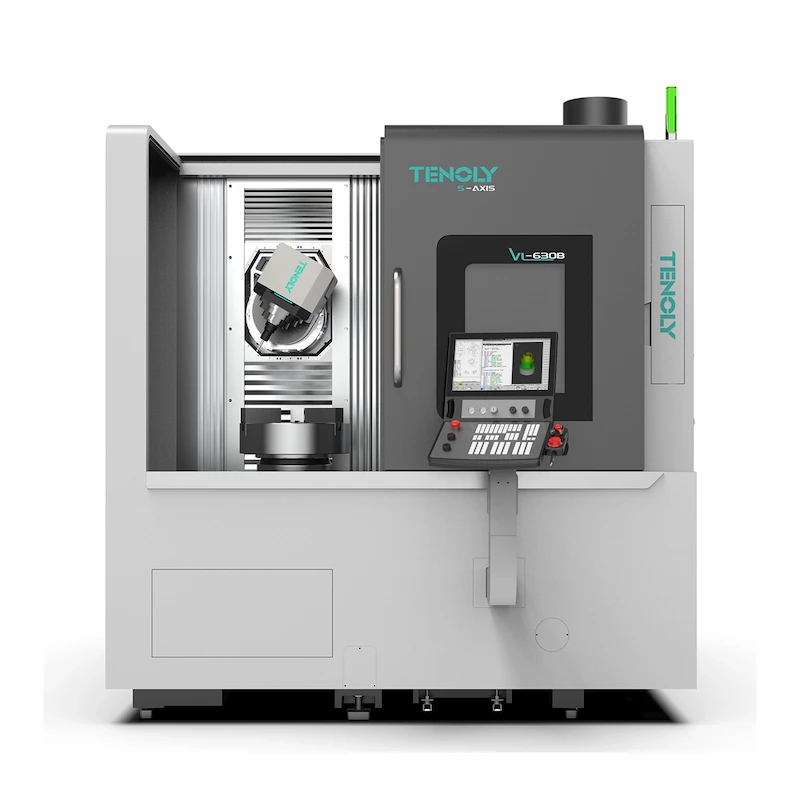
CNC lathe automation is a system that, based on traditional CNC lathes, introduces automation technology to achieve automatic control and operation of the machining process. It typically consists of a CNC system, an automatic loading and unloading device, an automatic tool changing system, and a monitoring system. The CNC system is like the “brain” of the lathe, precisely controlling the machine’s movement trajectory and machining parameters through preset programs; the automatic loading and unloading device is responsible for loading and unloading workpieces before and after machining, greatly saving manual operation time; the automatic tool changing system automatically switches tools according to machining requirements, significantly improving machining efficiency and accuracy; and the monitoring system tracks equipment operation and machining quality in real time, promptly identifying and resolving potential problems.
The advantages of automated CNC lathes are significant. Firstly, they dramatically increase production efficiency. Automatic feeding and tool changing reduce manual operations, enabling 24-hour continuous processing and achieving batch production efficiency several times higher than traditional lathes. Secondly, they offer higher machining accuracy. Thanks to the precise control and real-time monitoring of the CNC system, product dimensions and surface quality are more stable, making them particularly suitable for industries with extremely high precision requirements, such as aerospace and automotive manufacturing.
Simultaneously, automation reduces labor costs. The equipment replaces a large number of repetitive operations, allowing companies to allocate more manpower to technical research and development and management positions. For frontline workers, automated production also reduces labor intensity and safety risks.
Currently, automated CNC lathes are widely used in many fields. In the machinery manufacturing industry, they are used to process various complex parts such as shafts and discs; in the electronics manufacturing industry, they are used to produce high-precision electronic components; and in the medical device industry, they are used to manufacture precision medical parts, ensuring product stability and reliability.
Of course, promoting automation still faces certain challenges. On the one hand, the initial investment in automation systems is high, which may pose a financial burden for small and medium-sized enterprises. On the other hand, operating and maintaining automated equipment requires higher technical skills from personnel, necessitating systematic training and experience accumulation.
Overall, CNC lathe automation is becoming an inevitable trend in the manufacturing industry. With its high efficiency, precision, and intelligence, it brings greater economic and social benefits to enterprises. Leveraging leading intelligent technologies and comprehensive services, TenolyCNC helps customers improve efficiency and quality, jointly moving towards the future of intelligent manufacturing.