Skip to content

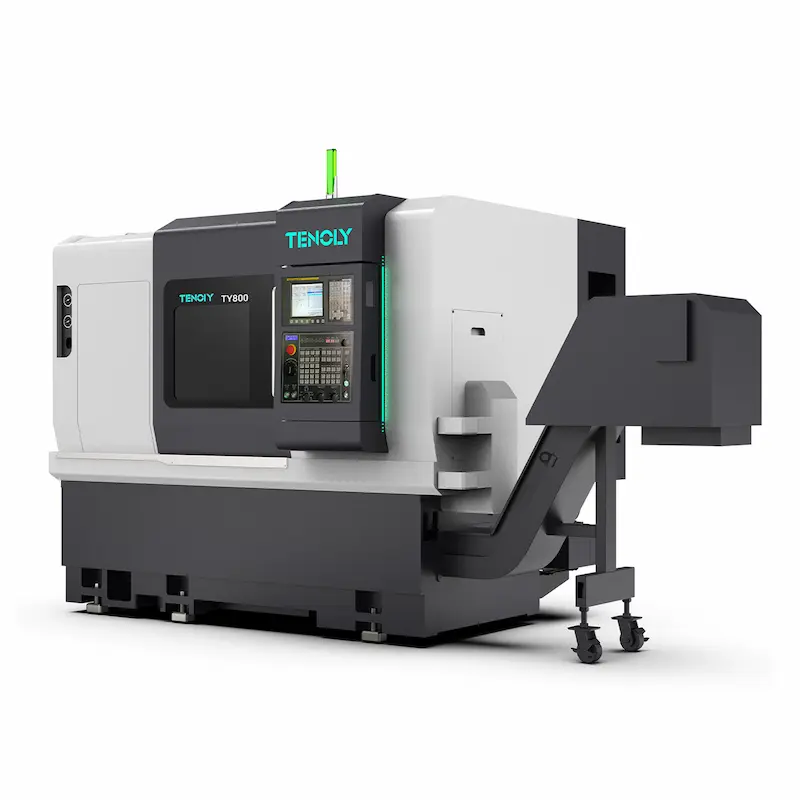
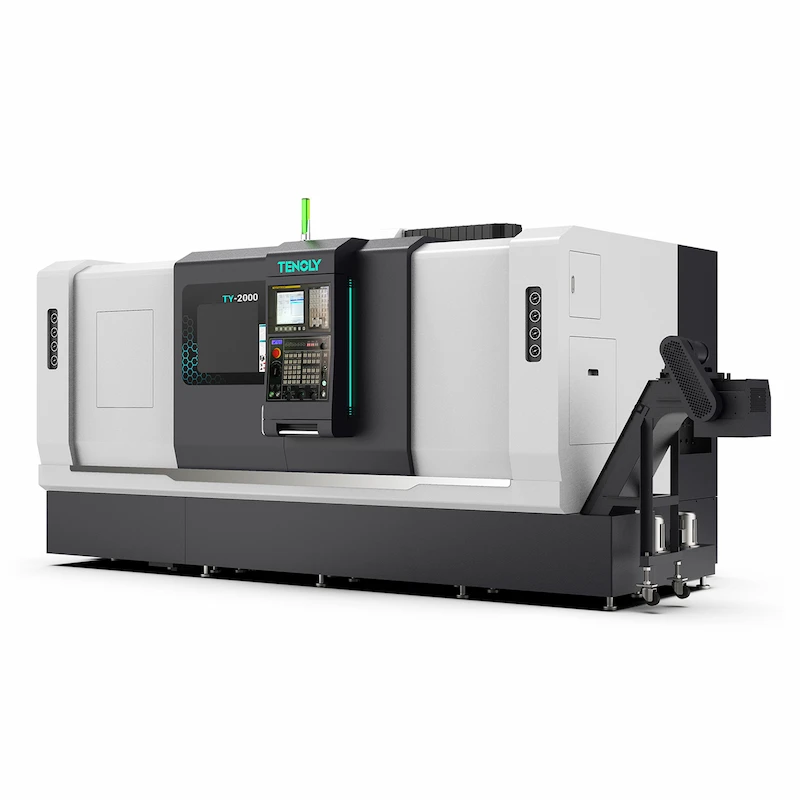
When machining difficult-to-process materials like titanium alloys and stainless steel, traditional flat-bed machine tools often face limitations regarding rigidity and chip evacuation. Slant-bed CNC lathes are recommended to enhance machining efficiency through superior structural design and improved ROI.
Quick Decision-Making Guide
To quickly evaluate your selection options, consider the following technical specifications and criteria:
- Bed Structure: Prioritize a 30° or 45° slant-bed design made from high-grade Meehanite cast iron (cast as a single unit) to ensure optimal vibration resistance and thermal stability.
- Repeatability: Aim for a precision range of ±0.002 mm to ±0.003 mm (based on ISO 230-2 testing standards).
- Guideway Selection: Choose roller-type linear guideways for high-speed, light-duty turning and superior surface finish; opt for rectangular box ways (hardened rails) for heavy-duty or interrupted turning operations.
- Chip Evacuation & Automation: Configure the machine with a gravity-assisted chip drop design and a rear chip conveyor; this facilitates 24/7 unmanned continuous production.
Why Choose a Slant-Bed Over a Flat-Bed?
When machining high-precision parts, your greatest adversaries are often vibration and thermal drift, rather than just tool wear. Consider how the physical structure of a slant-bed lathe helps mitigate these issues:
- Mechanical Vectors & High Rigidity: The 30° or 45° slant design aligns the spindle, tool turret, and bed on a single inclined plane. Turning forces act directly and vertically upon the bed guideways; this layout enhances overall machine rigidity, effectively suppressing chatter marks even during heavy-duty turning.
- Gravity-Assisted Chip Evacuation: Hot chips generated during turning fall directly into the chip chute via gravity. This design prevents workpiece scratches and localized overheating within the machine caused by chip accumulation.
- Superior Thermal-Dynamic Stability: The machine’s longitudinal and transverse thermal expansion is directed away from the turning centerline. This approach helps minimize thermal drift during prolonged continuous operation, thereby stabilizing process consistency across batches.
What should you prioritize during procurement?
When evaluating a slant-bed CNC lathe, avoid focusing solely on appearance or price; instead, prioritize assessing these four core components:
1. Spindle and Power System
The spindle is the heart of the machine tool; make your choice based on the primary materials you process. For aluminum alloys and precision components, a built-in motorized spindle with higher rotational speeds is recommended. For hard-to-machine, high-hardness alloys, a high-torque spindle—equipped with a two-speed gearbox or belt drive—is a more reliable choice.
2. Guideway and Ball Screw Configuration
Roller-type linear guideways: These offer low friction and rapid response; they are recommended for applications requiring superior surface finish, such as medical devices and automotive bearings.
Box ways (hardened guideways): Subjected to high-frequency quenching and precision scraping, these withstand immense impact forces; they are recommended for interrupted turning operations involving valves or heavy-duty mechanical parts.
3. Turret and Automation Interfaces
Check if the machine is equipped with a BMT or VDI live-tooling turret; this determines whether you can achieve “turn-mill” operations in a single setup. Additionally, ensure the control system (e.g., FANUC 0i-TF, Siemens 828D) includes communication interfaces for automated bar feeders and industrial robots.
Industry Applications
Slant-bed CNC lathes are widely used in sectors demanding extremely tight dimensional tolerances. Consider the following benchmarks based on your specific business needs:
- Medical Devices: Micron-level turning of titanium alloy bone implants and bone screws; leverage the machine’s superior surface finish capabilities to maintain biocompatibility.
- Automotive & New Energy: Machining motor shafts and high-pressure drive shafts to achieve high roundness and coaxiality; integrate with high-throughput automated production lines to boost capacity.
- Aerospace & Hydraulics: Machining high-pressure valve spools and Inconel 718 nickel-based alloy components; rely on the machine’s vibration-damping capabilities when working with ultra-hard materials to ensure high yield rates.
If you are looking for a high-quality CNC machine tool manufacturer, consider the competitive business advantages this type of equipment can offer you:
- Reduced after-sales maintenance costs: Thanks to superior chip evacuation and protective designs, the failure rate of guideways and ball screws is minimized; leverage this feature to lower your after-sales service costs.
- Flexible OEM/ODM customization strategies: Whether addressing CE certification for Europe, UL electrical standards for North America, or specific spindle voltage requirements across different countries, opt for modular slant-bed machine tools to ensure rapid adaptation to local markets.
- Increased customer repurchase rates: Once you have helped end-user factories boost production efficiency and yield rates, capitalize on the momentum to secure follow-up orders and build stronger customer loyalty.
Recommendations for evaluating ROI and Total Cost of Ownership (TCO)
Purchasing high-precision machine tools is not merely an expense; view it instead as a high-return capital investment when making your comparisons:
| Evaluation Dimension | Traditional Flat Bed CNC Lathe | High-Precision Slant Bed CNC Lathe | Selection Recommendation |
| Machining Efficiency | Medium (requires frequent stops for chip removal) | Very High (enables 24/7 operation with automation) | Opt for slant bed if pursuing high throughput |
| Defect Rate | Affected by thermal drift, causing significant batch tolerance variations | Maintained within ±0.003mm, reducing scrap rate by 60%+ | Upgrade equipment when high precision is required |
| Tool Life | Vibration easily leads to tool chipping | High rigidity dampens vibration, extending tool life by 30%+ | Reduce consumable costs through superior vibration damping |
| Overall ROI Period | 18 – 24 months | 8 – 12 months (driven by high output and low scrap rate) | Factor long-term ROI into your decision-making process |
5 Questions to Clarify Before Placing Your Order
Before finalizing the contract with the machine tool supplier, it is recommended that you thoroughly clarify the following technical details:
- Inquire about casting processes: What stress-relief treatments have the bed castings undergone? (e.g., do they include natural aging and multiple rounds of artificial annealing?)
- Request test reports: Are laser or ballbar test reports for spindle runout and positioning accuracy included with the machine?
- Check sealing and protection: What is the sealing rating of the chip and coolant protection systems? Will coolant seep into the guideways or ball screws during prolonged machining operations?
- Verify component brands: What is the list of brands for key components? (e.g., NSK/FAG bearings, THK/HIWIN guideways, Rexroth hydraulics, etc.)
- Confirm after-sales response times: What are the supplier’s response times for remote diagnostics and spare parts dispatch in overseas markets?
If you are currently evaluating a specific machining solution, please feel free to contact our engineering team to schedule a free sample test cut or to request a detailed technical specifications sheet.