Skip to content

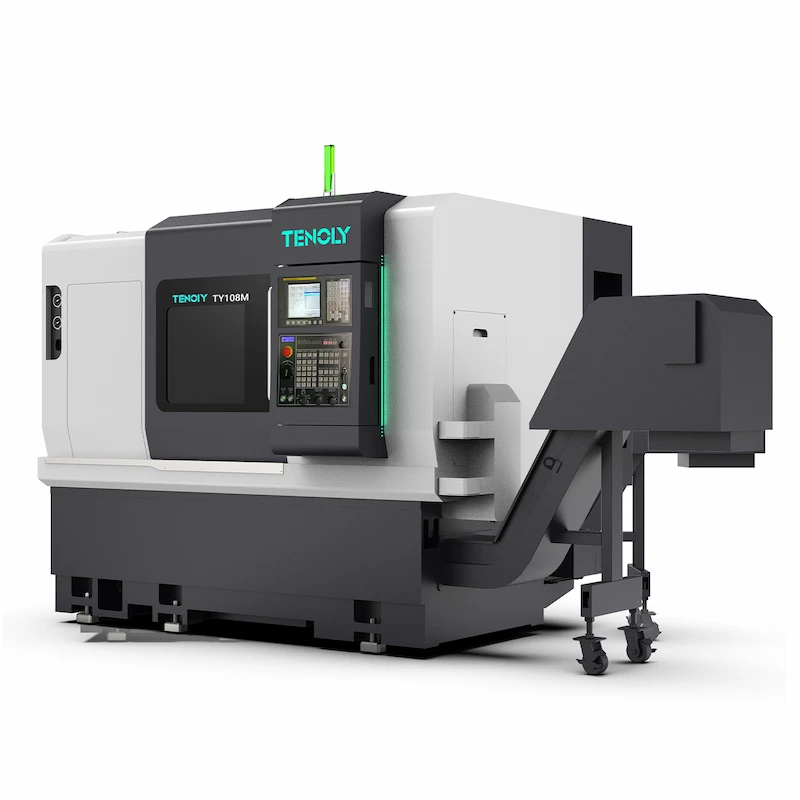
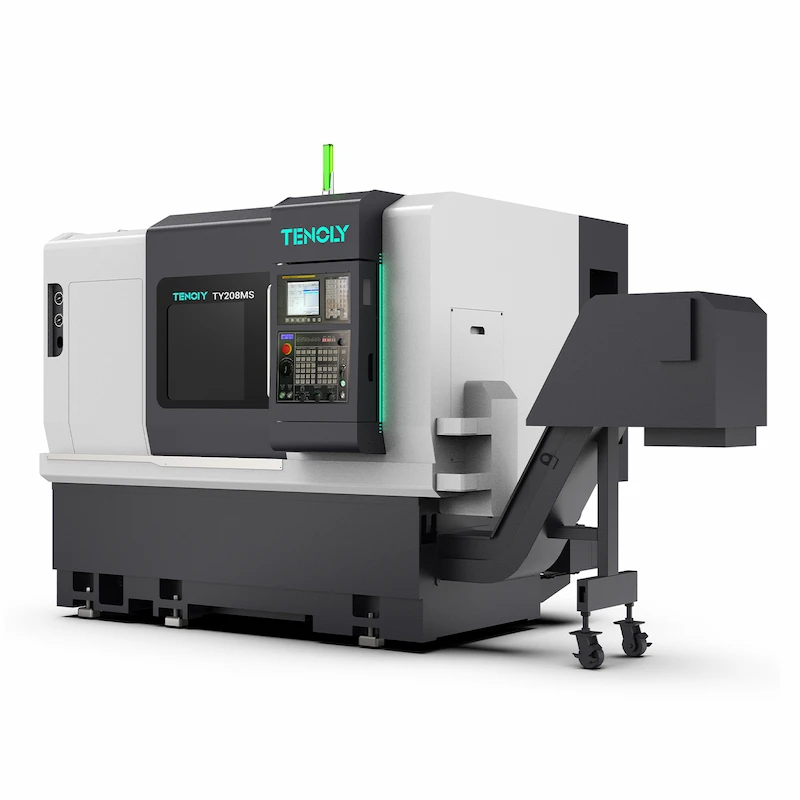
The slant CNC lathe is a machine tool that excels in precision turning. Its design enhances stability and accuracy, making it vital for producing high-quality parts. In modern manufacturing, these lathes play a crucial role in increasing efficiency and meeting the demands of various industries.
Key Takeaways
- Slant bed CNC lathes enhance machining precision and efficiency, making them essential for high-quality part production.
- Regular maintenance, including daily checks and lubrication, is crucial for keeping your CNC lathe in optimal working condition.
- Understanding spindle types and tooling configurations allows you to optimize your lathe for various machining tasks, improving productivity.
Engineering Principles of Slant Bed CNC Lathe
Basic CNC Technology
CNC technology stands for Computer Numerical Control. This technology allows you to automate machine tools through computer programming. In slant bed CNC lathes, this automation enhances precision and efficiency. The slant bed structure plays a significant role in improving performance compared to other CNC machines. Here are some key advantages:
- The slant bed structure enhances chip flow and increases bending rigidity.
- You experience superior vibration control, which is crucial for maintaining accuracy.
- A robust spindle system ensures precision in machining operations.
- Advanced tooling configurations support multi-process machining, improving productivity.
These features make slant bed CNC lathes a preferred choice for many manufacturers.
Slant Bed Design Benefits
The design of slant bed CNC lathes offers several advantages that directly impact machining accuracy and stability. The inclined bed design contributes to various aspects of performance. The following table summarizes the key benefits:
| Evidence Aspect | Description |
|---|---|
| Bending Rigidity | The inclined bed increases bending rigidity, which helps resist deflection during heavy cutting. |
| Distribution of Cutting Forces | The design distributes cutting forces evenly across the guideways, enhancing stability. |
| Tool Engagement Stability | Ensures stable tool engagement, contributing to high dimensional accuracy during machining. |
| Vibration Reduction | The use of high-tensile cast iron and wide-span bedways reduces vibration transmission. |
| Surface Finish Quality | Enhanced stability leads to improved surface finish quality. |
These benefits collectively enhance the overall performance of slant bed CNC lathes, making them essential in precision manufacturing. By choosing a slant bed CNC lathe, you ensure that your machining processes are efficient and produce high-quality results.
Construction Features of Slant Bed CNC Lathe
Bed Angle and Stability
The bed angle of a slant bed CNC lathe significantly influences its performance. Most lathes feature a bed angle ranging from 30° to 45°. This design enhances bending rigidity and helps distribute cutting forces evenly across the guideways. As a result, the lathe can resist deflection during heavy cutting operations. You will notice that this stability leads to consistent tool engagement, which is crucial for achieving high dimensional accuracy in your machining tasks.
Material Selection
Choosing the right materials for a slant bed CNC lathe is essential for its durability and performance. Manufacturers often use high-tensile cast iron for the bed. This material provides excellent vibration dampening, which is vital for maintaining precision during machining. Additionally, the use of high-quality steel for components like the spindle and guideways ensures longevity and reliability. By selecting robust materials, you enhance the overall performance and lifespan of your slant bed CNC lathe, making it a valuable asset in your manufacturing processes.
Spindle Systems in Slant Bed CNC Lathes
Types of Spindles
In slant bed CNC lathes, the spindle system plays a crucial role in machining operations. You will encounter several types of spindles, each designed for specific applications. Here are the most common types:
- Fixed Spindle: This spindle remains stationary during operation. It provides high stability and is ideal for heavy-duty cutting.
- Live Spindle: This spindle rotates while the tool engages with the workpiece. It allows for more complex machining operations, such as drilling and milling.
- C-Axis Spindle: This spindle can rotate around its axis, enabling you to perform additional operations without changing the setup.
Spindle Speed and Torque
Spindle speed and torque are vital parameters that influence the performance of your slant bed CNC lathe. The spindle speed, measured in revolutions per minute (RPM), determines how quickly the spindle can rotate. Higher speeds allow for faster machining but may require careful management to avoid overheating.
Torque, on the other hand, refers to the rotational force the spindle generates. You need sufficient torque to handle various materials and cutting conditions. A spindle with high torque can maintain performance even under heavy loads, ensuring consistent machining quality.
By understanding these spindle systems, you can optimize your slant bed CNC lathe for various applications, enhancing your manufacturing capabilities.
Tooling Configurations for Slant Bed CNC Lathes
Tool Holder Types
In slant bed CNC lathes, selecting the right tool holder is crucial for achieving optimal performance. You will encounter several types of tool holders, each designed for specific applications. Here are the most common types:
- Collet Holders: These holders provide a tight grip on the tool shank, ensuring stability during machining. They are ideal for precision work.
- Quick Change Holders: These allow for rapid tool changes, minimizing downtime. You can switch tools quickly, enhancing productivity.
- Hydraulic Holders: These use hydraulic pressure to secure the tool, offering excellent gripping force. They are suitable for heavy-duty applications.
Tool Change Mechanisms
Efficient tool change mechanisms are essential for maintaining productivity in slant bed CNC lathes. You will find two primary types of tool change systems:
- Automatic Tool Changer (ATC): This system allows the lathe to change tools automatically. It reduces manual intervention and speeds up the machining process.
- Manual Tool Change: In this system, you change tools by hand. While it may take more time, it offers flexibility for small batch production.
By understanding these tooling configurations, you can optimize your slant bed CNC lathe for various machining tasks. This knowledge enhances your ability to produce high-quality parts efficiently.
Control Interfaces of Slant Bed CNC Lathes
CNC Programming Basics
CNC programming is essential for operating a slant bed CNC lathe effectively. You will typically use G-code, a standard programming language for CNC machines. This code instructs the lathe on how to move, cut, and shape materials. Here are some key components of CNC programming:
- G-code Commands: These commands control movements, speeds, and tool changes.
- Coordinate Systems: Understanding the Cartesian coordinate system helps you define the workpiece’s position accurately.
- Tool Path Planning: You must plan the tool’s path to ensure efficient machining and minimize cycle time.
By mastering these programming basics, you can optimize the performance of your slant bed CNC lathe.
User Interface Design
The user interface (UI) of a slant bed CNC lathe plays a crucial role in your machining experience. A well-designed UI enhances usability and efficiency. Here are some important aspects of effective UI design:
- Intuitive Layout: The layout should be user-friendly, allowing you to navigate easily between different functions.
- Visual Feedback: Clear visual indicators help you monitor the machine’s status and performance in real-time.
- Customization Options: A customizable interface allows you to tailor settings according to your specific machining needs.
An effective user interface not only improves your workflow but also reduces the likelihood of errors during operation.
Applications of Slant Bed CNC Lathes
Industries Utilizing Slant Bed CNC Lathes
Slant bed CNC lathes find applications across various industries due to their precision and efficiency. Here are some key sectors that benefit from these machines:
- Aerospace: In this industry, you require high precision for components like turbine blades and landing gear. Slant bed CNC lathes provide the accuracy needed for these critical parts.
- Automotive: Manufacturers use these lathes to produce engine components, transmission parts, and other intricate pieces. The ability to handle complex geometries makes slant bed CNC lathes ideal for automotive applications.
- Medical Devices: The medical field demands precision in manufacturing surgical instruments and implants. Slant bed CNC lathes ensure that these components meet strict quality standards.
- Electronics: You can find slant bed CNC lathes in the production of housings and connectors for electronic devices. Their ability to create fine details is essential in this fast-paced industry.
- Energy: In renewable energy sectors, such as wind and solar, these lathes help produce components like gearboxes and mounting brackets, which require high durability and precision.
Specific Use Cases
Slant bed CNC lathes excel in various specific applications. Here are some notable examples:
- Precision Machining of Aerospace Components: You can use slant bed CNC lathes to manufacture complex parts like brackets and housings for aircraft. The machines ensure tight tolerances and high-quality finishes, which are critical in aerospace applications.
- Production of Automotive Shafts: In the automotive industry, slant bed CNC lathes are ideal for producing drive shafts and axles. Their ability to handle heavy cuts while maintaining accuracy makes them a preferred choice.
- Manufacturing of Medical Implants: Slant bed CNC lathes play a vital role in creating orthopedic implants. The precision required for these components ensures patient safety and product reliability.
- Fabrication of Electronic Enclosures: You can utilize slant bed CNC lathes to create enclosures for electronic devices. The machines allow for intricate designs and precise dimensions, ensuring that the components fit perfectly.
- Production of Wind Turbine Components: In the energy sector, slant bed CNC lathes help manufacture parts like rotor hubs and gearboxes. These components must withstand harsh conditions, making precision machining essential.
By understanding these applications, you can appreciate the versatility and importance of slant bed CNC lathes in modern manufacturing.
Maintenance of Slant Bed CNC Lathes
Routine Maintenance Practices
To keep your slant bed CNC lathe operating at peak performance, you must implement routine maintenance practices. Regular maintenance helps prevent unexpected breakdowns and extends the machine’s lifespan. Here are some essential practices to follow:
- Daily Checks: Inspect the machine for any visible wear or damage. Ensure that all safety guards are in place.
- Lubrication: Apply lubricant to moving parts as specified in the manufacturer’s guidelines. Proper lubrication reduces friction and wear.
- Cleaning: Remove chips and debris from the machine after each use. A clean workspace prevents contamination and promotes accuracy.
- Calibration: Regularly calibrate the machine to ensure it maintains precise measurements. This step is crucial for achieving high-quality results.
Tip: Keep a maintenance log to track your activities. This log helps you identify patterns and plan for future maintenance needs.
Troubleshooting Common Issues
Even with regular maintenance, you may encounter issues with your slant bed CNC lathe. Here are some common problems and their solutions:
| Issue | Possible Cause | Solution |
|---|---|---|
| Inaccurate Cuts | Misalignment of the tool | Realign the tool and check calibration. |
| Excessive Vibration | Worn bearings or loose components | Inspect and replace worn parts as needed. |
| Tool Wear | Incorrect cutting speed | Adjust the spindle speed according to material specifications. |
| Chip Accumulation | Poor chip removal system | Clean the chip conveyor and check for blockages. |
By following these maintenance practices and troubleshooting tips, you can ensure that your slant bed CNC lathe remains reliable and efficient in your manufacturing processes.
Slant bed CNC lathes offer numerous advantages that enhance your manufacturing processes. They provide advanced CNC control systems, intuitive programming interfaces, and real-time tool monitoring. These features lead to stable dimensional consistency across long production runs. As technology evolves, expect innovations like smart coolant control and automatic error detection to further improve efficiency in your operations.