Skip to content

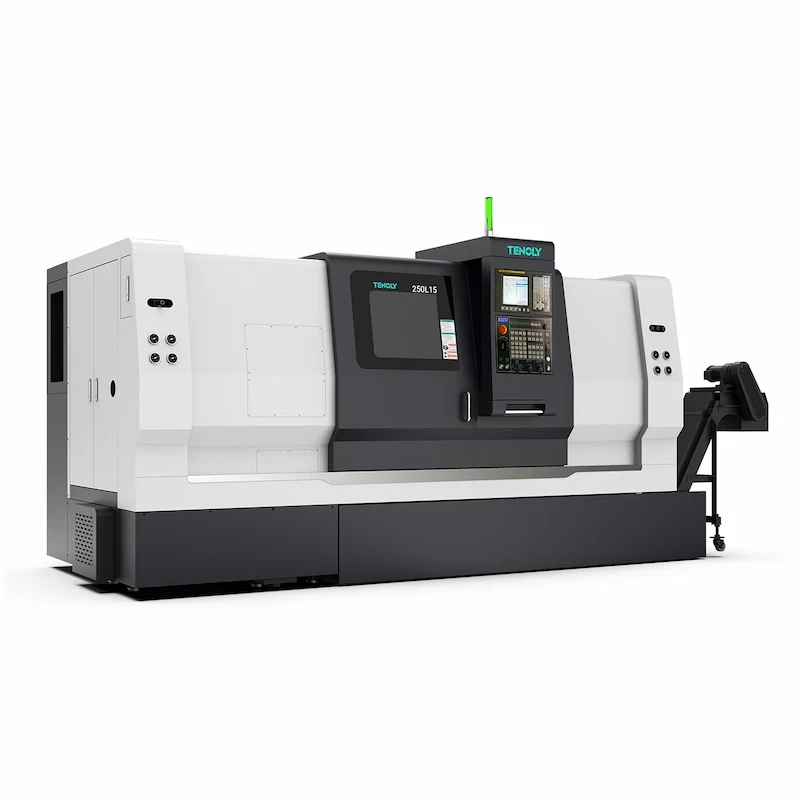
As core equipment for heavy-duty precision machining, the operational stability of high-rigidity CNC lathes directly affects production efficiency and product quality. Equipment failure can not only cause production interruptions but also lead to the scrapping of large workpieces and damage to core components such as the spindle or servo system. Due to the high load and operating intensity of these machines, common failures often stem from long-term wear, improper operation, or lack of maintenance. To reduce the failure rate, it is necessary to adhere to the principle of “prevention first, full-process control,” ensuring the efficient and stable operation of CNC machine tools from the source through scientific maintenance management and standardized operation.
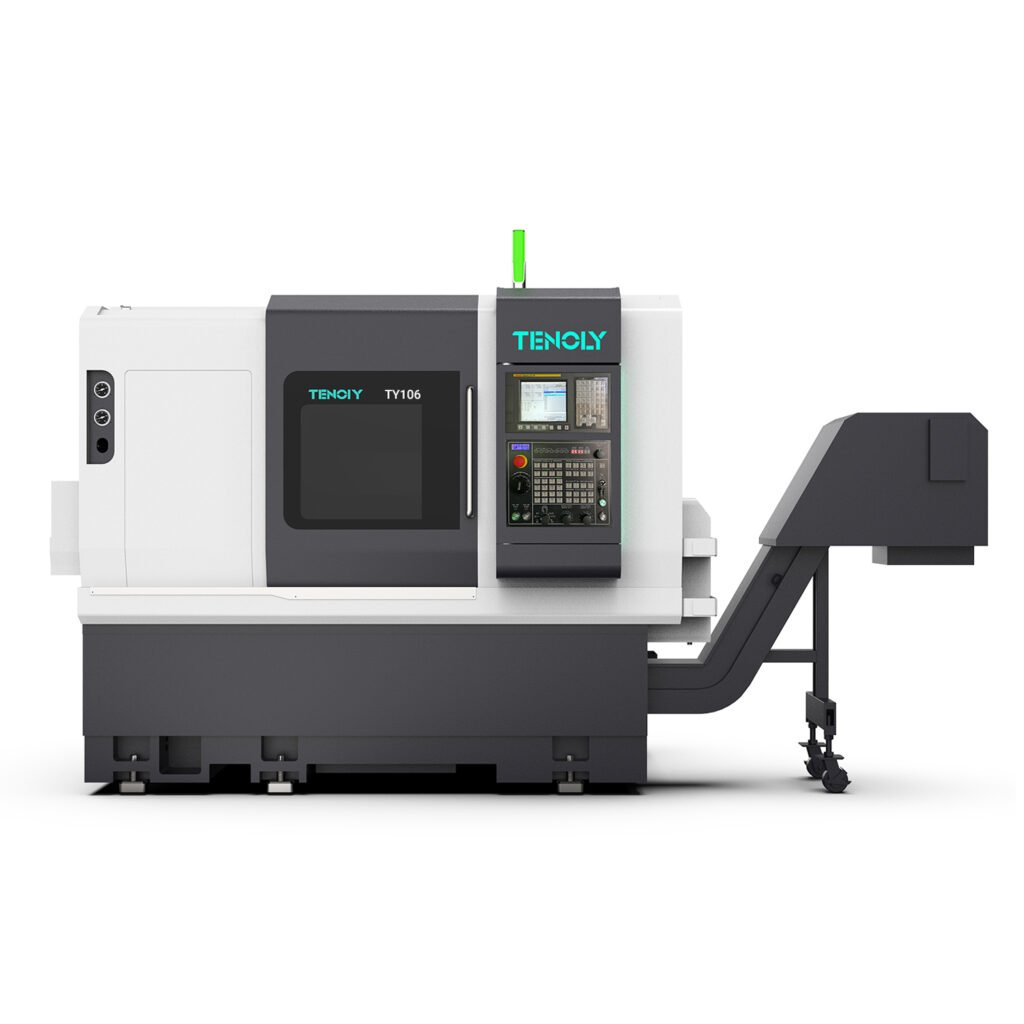
I. Standardized Operation and Basic Maintenance: The First Line of Defense for CNC Lathe
For high-rigidity CNC lathes, standardized operation and daily maintenance are the first line of defense against failures. Operators should strictly adhere to the equipment operating procedures and avoid prolonged overloading. Although high-rigidity lathes have strong load-bearing capacity, exceeding the rated load will accelerate the wear of components such as the spindle and guideways, leading to a decrease in machining accuracy. Before machining, the equipment should be preheated to ensure even temperature distribution of all components and minimize the effects of thermal expansion and contraction. After machining, promptly clean chips and oil stains, keeping the bed, guideways, and spindle end face clean to prevent impurity buildup.
Simultaneously, regularly check the pressure and sealing of the hydraulic and pneumatic systems to ensure sensitive operation and stable response.
II. Core Component Protection: Key to Reducing Mechanical Wear
The spindle, guideways, and feed system are the core mechanisms of a CNC lathe. The spindle bearings must be checked regularly to maintain good lubrication conditions, using high-temperature, high-load grease to prevent burnout.
Regularly clean the spindle taper bore to ensure tool clamping accuracy and reduce machining vibration. The guideways and lead screws must be kept clean and well-lubricated to prevent dry friction and creeping.
The turret, tool post, and automatic tool changer also require regular maintenance. Remove accumulated dust from the tool magazine to ensure accurate tool changing positioning and prevent tool slippage or jamming.
III. Intelligent Monitoring and Parameter Optimization: Achieving Visualized Equipment Status
Utilizing the intelligent monitoring system of a high-rigidity CNC lathe, operating parameters such as spindle speed, cutting load, and temperature changes can be monitored in real time, promptly detecting anomalies and issuing warnings.
Cutting parameters can be optimized based on workpiece material and machining characteristics to prevent excessive cutting forces from causing tool breakage or spindle vibration.
For machining large or complex parts, machining cycles and cooling/downtime periods should be rationally planned to avoid excessive equipment fatigue. Backups should be made before modifying system parameters to prevent operational errors from causing program malfunctions.
IV. Electrical System and Environmental Management: The Foundation for Enhancing Equipment Reliability
The electrical system is the guarantee for the stable operation of the CNC lathe. The electrical control cabinet should be cleaned regularly to remove dust, and the tightness of wiring terminals should be checked to prevent short circuits, loose connections, and other potential hazards.
A good grounding system should be maintained to prevent static electricity or lightning strikes from damaging control boards.
In addition, the workshop environment should be kept clean, dry, and well-ventilated to prevent dust and moisture from entering the equipment. Maintaining stable temperature and humidity helps maintain CNC machine tool accuracy and the lifespan of electronic components.
V. Establish a Preventive Maintenance System: Achieving Full Lifecycle Management of Equipment
Enterprises should establish a comprehensive preventive maintenance system for high-rigidity CNC lathes, including operation logs, fault records, and wear tracking of key components. Combined with intelligent monitoring data, trend analysis and early warning can be conducted to achieve precise maintenance and cost control.
Summary
Through a combination of standardized operation, meticulous maintenance, intelligent monitoring, and environmental management, the failure rate of high-rigidity CNC lathes can be effectively reduced, equipment lifespan extended, and high precision and stability in precision machining ensured. Tenoly continuously innovates in high-rigidity CNC lathe technology, providing users with reliable and efficient precision machining equipment through superior structural design and intelligent monitoring solutions, helping enterprises achieve intelligent manufacturing and long-term stable production.