Skip to content

A CNC turn-mill machine integrates turning, milling, drilling, and finishing in one setup, reducing handoffs, waiting time, and alignment errors. This article explores how the “one-man, one-machine” workflow improves cycle time, floor space utilization, work-in-progress, and part consistency while supporting flexible, high-mix manufacturing.
Why CNC Turning and Milling Machines Matter
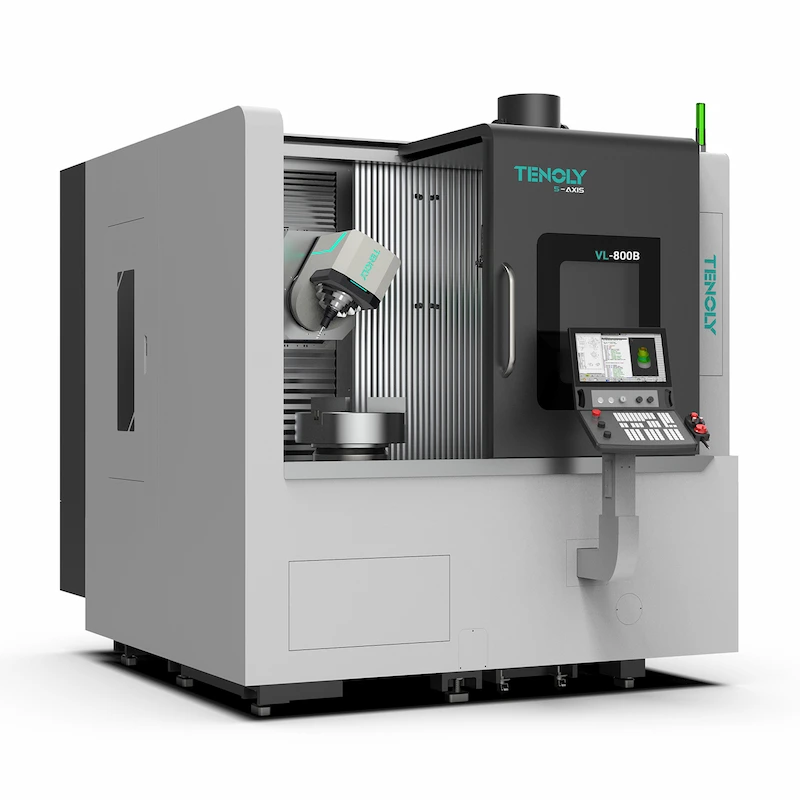
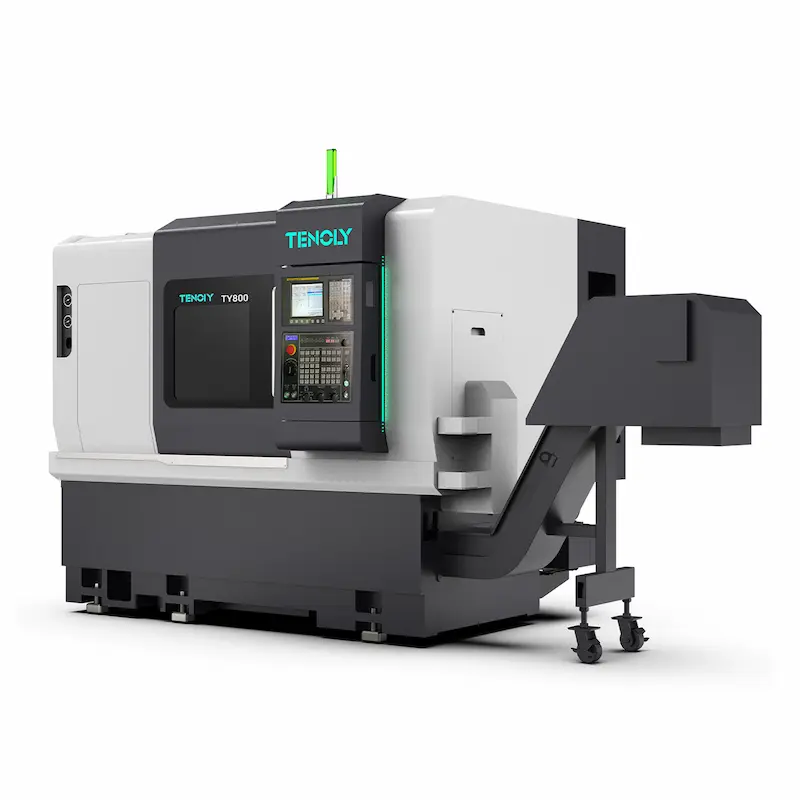
To achieve true “one-man, one-machine” efficiency on your shop floor, integrating a CNC turning and milling machine is a decisive operational upgrade. By consolidating disparate machining processes into a single, highly rigid envelope, you eliminate the traditional production bottlenecks associated with moving parts between separate lathes and mills.
This strategy allows a single operator to oversee the entire lifecycle of a component, from aggressive roughing cuts on raw stock to delicate finishing passes. This approach not only streamlines your workflow and reduces work-in-progress (WIP) inventory, but it also dramatically optimizes the floor space required for your manufacturing operations.
Core Functions and Process Scope
A modern CNC turning and milling machine is explicitly engineered to handle complex geometries without requiring manual operator intervention. These advanced centers seamlessly combine the high-torque rotational cutting of a heavy-duty lathe with the precise, multi-axis capabilities of a machining center.
When you leverage a machine equipped with a robust Y-axis—often featuring a generous stroke of +/- 50mm to 120mm—you can easily machine off-center features, intricate slots, and complex contours. This comprehensive process scope allows you to manufacture critical components, such as aerospace fasteners, medical bone screws, and automotive transmission shafts, directly from raw bar stock to a finished state in a single cycle. Furthermore, managing both roughing and finishing in one zone ensures thermal stability is maintained throughout the entire material removal process.
How Turn-Mill Machines Reduce Setups and Handoffs
Traditional manufacturing workflows require moving a semi-finished part from a turning center to a vertical mill, necessitating custom fixturing, secondary clamping, and a completely new zero-point alignment. By utilizing a turn-mill center, you drop your setup count from two or three down to exactly one.
This consolidation typically reduces total part handling time by 40% to 60%, drastically accelerating your time-to-market. Furthermore, eliminating physical handoffs means you eradicate the stacking tolerances and clamping errors that inevitably occur when a human operator manually transfers a workpiece. When a part remains in the primary chuck or is automatically transferred to a synchronized sub-spindle, you maintain absolute concentricity and positional accuracy from the first roughing cut to the final micro-milling pass.
Technical and Workflow Selection Factors
Selecting the right CNC turning and milling machine requires a strict, data-driven evaluation of your current part complexities and your long-term production scalability. You must align the machine’s mechanical limits, rigidity, and automation capabilities with your specific material requirements to ensure seamless transitions between turning and milling phases.
Specifications, Automation, and Tooling
When specifying a machine, you need to scrutinize the power and capacity of both the main turning spindle and the live tooling mechanisms. A robust setup for tough alloys might feature a high-torque main spindle operating at 4,000 RPM, paired with a sub-spindle and live milling tools capable of reaching 10,000 RPM to 12,000 RPM for exceptional surface finishes.
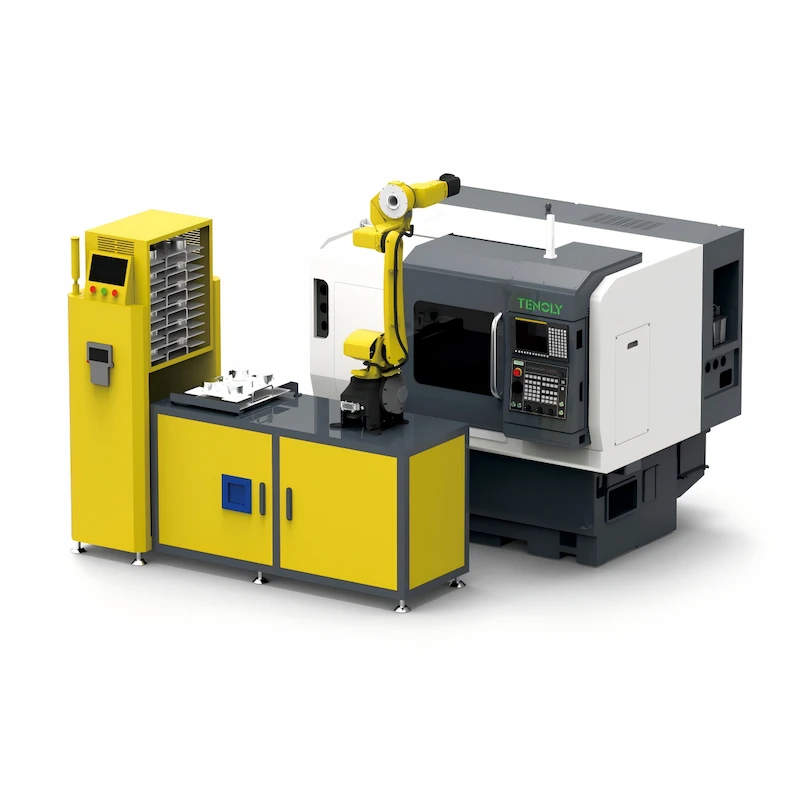
Additionally, your tooling turret should offer at least 12 to 24 live stations, or alternatively, a B-axis milling head with an automatic tool changer (ATC) holding 40 to 80 tools. If you are targeting genuine lights-out manufacturing, integrating a hydrodynamic bar feeder with a 65mm to 80mm maximum bar capacity ensures your machine can run continuously. Coupling this with a high-pressure coolant system operating at 1,000 PSI will guarantee effective chip evacuation during deep-hole drilling and heavy roughing.
Key Comparison Criteria
To justify the capital upgrade, you must compare the turn-mill approach against conventional decoupled machining. Evaluating footprint, setup requirements, and tooling capacity will clarify the operational and spatial advantages for your facility.
| Feature | 2-Axis CNC Lathe | 3-Axis CNC Mill | CNC Turn-Mill Center |
|---|---|---|---|
| Setup Count | 1 (Turning only) | 1 to 2 (Milling only) | 1 (Complete part) |
| Floor Space | ~4 to 6 sq. meters | ~5 to 8 sq. meters | ~7 to 12 sq. meters |
| Tool Capacity | 8 to 12 static tools | 20 to 30 rotary tools | Up to 80+ mixed tools |
| Part Accuracy | High (concentric) | High (prismatic) | Superior (no re-chucking) |
| Operator Burden | High (frequent loading) | High (fixture changes) | Low (continuous cycle) |
By analyzing these metrics, you can clearly see that while a turn-mill center demands a slightly larger initial footprint than a standalone lathe, it entirely replaces the need for two separate machines. This consolidation ultimately saves you valuable shop floor space while dramatically lowering the burden on your skilled labor pool.
Cost, Quality Control, and Implementation
Transitioning to a consolidated machining strategy involves significant capital expenditure and a fundamental shift in your quality control paradigms. However, when managed with a clear implementation plan, the financial returns, labor optimization, and part quality improvements will structurally strengthen your market competitiveness.
Machine Selection, ROI, and Production Fit
The initial capital investment for a high-end, multi-axis CNC turning and milling machine typically ranges from $150,000 to over $450,000, heavily dependent on the inclusion of sub-spindles, B-axis milling heads, and robotic automation interfaces. Despite this substantial upfront cost, precision job shops frequently report a full return on investment (ROI) within 18 to 24 months.
This rapid payback is driven by drastic reductions in direct labor costs, lower WIP inventory, and minimized scrap. Because you are machining the part completely in one continuous setup, you drastically reduce the potential for human error. Facilities transitioning to turn-mill operations routinely see their final inspection defect rates drop below 0.5%, as the total elimination of secondary manual chucking removes the most common source of concentricity and runout errors.
Implementation Steps and Risk Control
To ensure a smooth and profitable implementation, you must prioritize advanced CAM software integration and rigorous operator training. Programming a multi-axis turn-mill center requires robust CAM packages with accurate post-processors capable of handling synchronous spindle operations, pinch turning, and dynamic collision avoidance.
Before cutting any metal, you should mandate the use of digital
Key Takeaways
- The most important conclusions and rationale for CNC Turning and Milling Machine
- Specs, compliance, and risk checks worth validating before you commit
- Practical next steps and caveats readers can apply immediately
Frequently Asked Questions
It completes turning and milling in one setup, cutting handoffs, saving floor space, and helping one operator manage roughing to finishing on a single machine.
In many shops, it reduces part handling time by about 40% to 60% by eliminating transfers between separate lathe and mill operations.
Look for Y-axis travel, live tooling, a sub-spindle, 12 to 24 tool stations or ATC, bar feeder support, and high-pressure coolant for stable unattended cycles.
Yes. A rigid turn-mill machine can remove heavy stock and finish precise features in one cycle, helping maintain alignment and thermal stability.
Parts with turned diameters plus milled flats, slots, off-center holes, or contours—such as shafts, fasteners, bone screws, and transmission components—are ideal candidates.