Skip to content

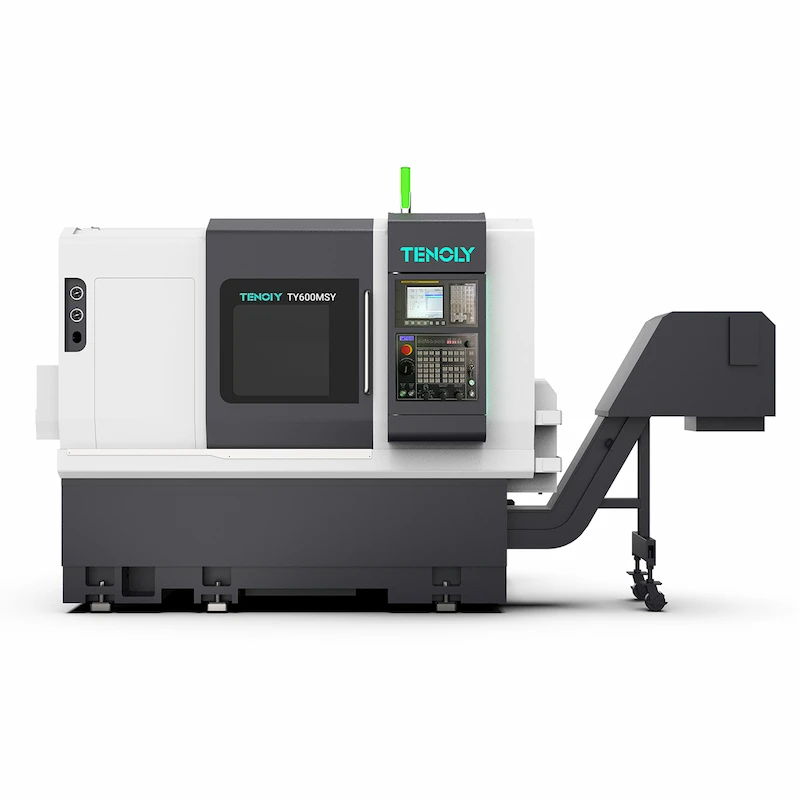
A CNC multitasking machine is a tool that enables you to complete every operation—including turning, milling, drilling, and tapping—in a single setup. However, its inherent complexity also implies that if maintenance is neglected, the resulting repair costs and losses due to downtime can be several times higher than those associated with a standard lathe.

To help you safeguard this valuable asset, I have compiled this in-depth maintenance guide. This is not merely a verbatim reproduction of a standard user manual; rather, it offers practical, actionable insights derived from countless real-world repair scenarios.
Maintenance Differences Between CNC Multitasking Machines and Conventional CNC Machines
Unlike traditional single-function machine tools, multitasking machines feature precision-synchronized dual spindles, a flexible rotary B-axis milling head, and a sophisticated Automatic Tool Changer (ATC) system. These components are highly integrated; consequently, even something as minor as a tiny metal chip entering the B-axis gearing—or a single speck of dust inside the spindle taper—can bring the entire machine to a complete standstill.
Daily Maintenance Checklist
You can print the table below directly and affix it next to the machine’s control panel. Require your team to strictly adhere to this checklist both before powering on and before powering off the machine; doing so can help you prevent over 80% of all unplanned downtime incidents.
| Phase | Key Inspection Item | Status (OK/NA) | Professional Maintenance Standards |
| Pre-Startup | Way Lube / Lubricant | □ | Check oil levels and confirm pressure gauge readings to prevent “dry-rub” on slideways. |
| Air Supply & Pressure | □ | Maintain 0.5–0.7 MPa. Drain the filter separator to prevent pneumatic actuator/ATC failure. | |
| Hydraulic Power Unit (HPU) | □ | Inspect oil color/clarity; ensure no foaming or emulsification. | |
| Operational | Warm-up Cycle | □ | Critical: Run B-axis and spindles at low RPM for 15 mins to achieve uniform grease distribution. |
| Coolant Concentration | □ | Use a refractometer (Target: 8–12%). Incorrect pH/Brix can corrode spindle seals. | |
| Acoustic/Vibration Audit | □ | Monitor harmonics of the B-axis and ATC arm. E-stop immediately if abnormal screeching occurs. | |
| Post-Shutdown | Spindle Taper Cleaning | □ | Use a taper wiper to clean the milling spindle bore; ensure zero chip residue. |
| ATC Gripper/Arm | □ | Wipe off grease and debris from tool change grippers to prevent “tool dropping” accidents. | |
| Way Covers & Chip Conveyor | □ | Clean telescopic covers; run conveyor until empty to prevent chip solidification overnight. |
Professional Tips for Minimizing Equipment Wear
1. B-Axis Thermal Equilibrium Management
You may be accustomed to jumping straight into work the moment you power up a machine, but on a CNC turn-mill center, this is a critical error. The internal gearing within the B-axis milling head is extremely precise. If you engage in high-speed turning immediately—especially during winter or after a prolonged period of inactivity—the resulting thermal shock can lead to premature bearing failure. The proper procedure is this: Allow the B-axis to oscillate slowly through its full range of angles for several cycles; this ensures the lubricating grease heats up and distributes evenly.
2. Taper Hole Cleanliness and Tool Life
Many operators overlook the internal taper hole of the milling spindle. Since turn-mill centers involve frequent tool changes, even a microscopic metal chip left inside the taper hole can cause the tool holder to seat with an eccentricity of several microns. Not only does this result in a poor surface finish on your workpiece, but it also generates unbalanced centrifugal forces that, over time, can “vibrate” and destroy expensive spindle bearings.
3. Monitoring Turning Fluid Parameters
Do you think turning fluid is merely for cooling? If its concentration isn’t checked regularly, the fluid can transform into a potent corrosive agent. This is particularly critical when machining parts for the medical or aerospace industries, where corrosion can cause the machine’s internal sensors to trigger frequent error alerts. Here is a secret: Spend just one minute each day recording the fluid concentration levels. This data-driven approach allows you to proactively identify potential risks within the machine’s internal environment—a far less expensive solution than having to replace an entire set of sensors later on.

Summary
If your goal is a high Return on Investment (ROI), then minimizing downtime is the most direct path to profitability.
If you are currently planning to purchase a CNC turn-mill center, it is absolutely essential that you establish and adhere to this maintenance protocol. A well-maintained machine will retain a residual value on the secondary market—even five years down the line—that is more than 30% higher than that of a machine that has been neglected.
Professional Tip: Always keep a set of high-quality cleaning tools (cleaning sticks, non-woven cloths, and rust-inhibiting sprays) right next to your machine. If you are unwilling to spend a few hundred dollars on proper maintenance now, you will inevitably end up spending tens of thousands on repairs later.