Skip to content

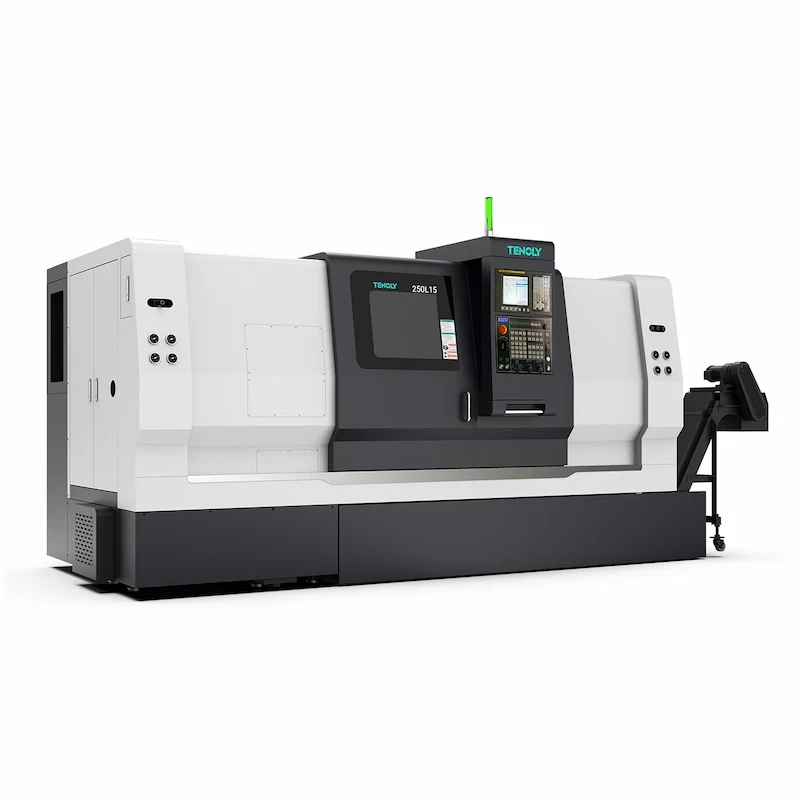
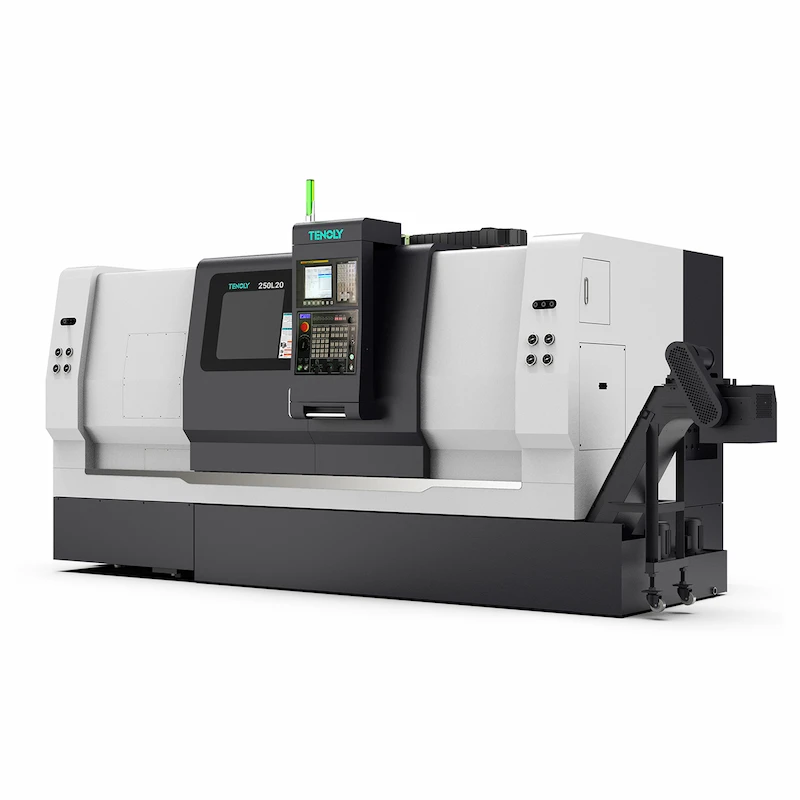
As the manufacturing industry’s demands for precision and efficiency continue to increase, CNC mill-turn centers have become the preferred equipment for complex part processing due to their multi-process integration, high-precision machining, and operational flexibility. They integrate multiple machining operations, including turning, milling, and drilling, completing multiple processes in a single setup, effectively improving production efficiency and quality. They have become a key machining tool in industries such as automotive parts, construction machinery, and hydraulic components.
The Core Advantages of Multi-Process Integration and High-Precision Machining
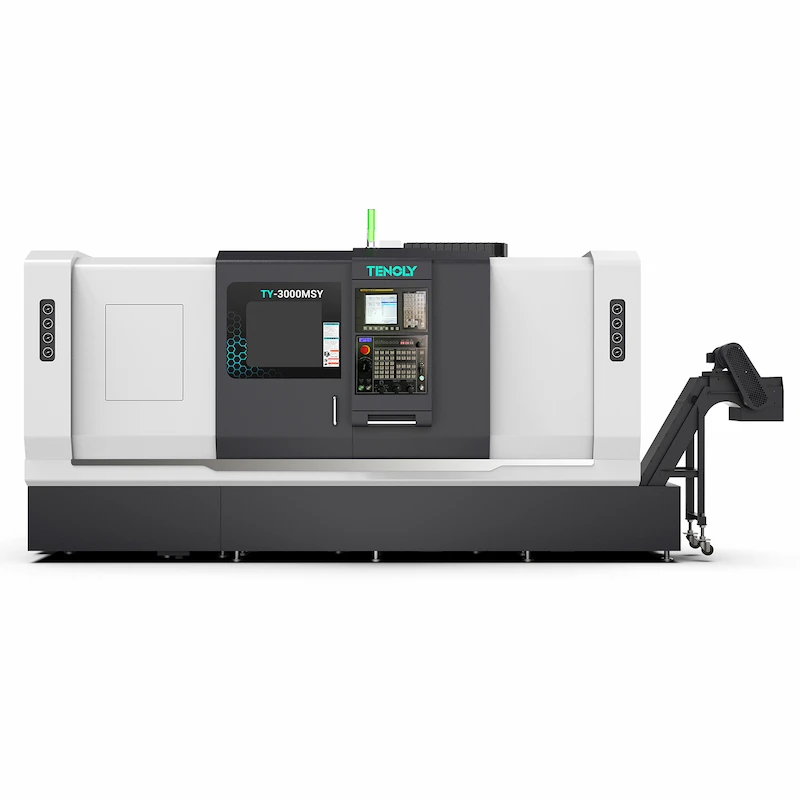
The greatest strength of mill-turn machines lies in their multi-process integration capabilities. These machines are typically equipped with a spindle, a turret (including turning tools), a milling head, and a multi-axis feed system. They can perform multiple processes, including external turning, internal drilling, face milling, and thread drilling, all on the same machine. This eliminates the need for frequent transfers between different machines and multiple setups, significantly reducing errors caused by positioning datum conversion. Machining accuracy can be improved by 30%-50% compared to traditional step-by-step machining, with coaxiality errors typically controlled within ±0.005mm. For example, in automotive axle machining, a milling machine can complete journal turning, flange milling, and bolt hole drilling in a single operation, increasing productivity by approximately 40% compared to a lathe + milling machine combination. In hydraulic valve core machining, internal and external cylindrical turning and keyway milling are achieved in a single clamping operation, ensuring precise valve core dimensions and excellent sealing.
Flexible Structure and Wide Adaptability
To meet the machining needs of a wide range of complex parts, milling machines offer a variety of machine configurations, including horizontal and vertical types. Choosing the appropriate model based on part configuration (e.g., long shafts, discs, etc.) is crucial. Turret capacity typically ranges from 8 to 24 tools, supports automatic tool changing, and accommodates a variety of tools, including turning, milling, and boring, meeting the diverse machining needs of complex parts. Some models also feature a tailstock or subspindle, enabling simultaneous machining of both ends of a part and automatic loading and unloading, enhancing automation. In small- and medium-volume, high-mix production environments, this feature significantly reduces changeover time to 15 to 30 minutes, reducing the need for frequent equipment and tooling changes, significantly shortening production cycles, and significantly improving production line flexibility.
Easy Operation and Lower Entry Points
Modern CNC systems integrate milling and turning commands and support graphical programming. Operators can complete complex programs using an intuitive interface, eliminating the need to master the programming logic of multiple machines simultaneously, thus lowering the technical requirements. The equipment footprint is reduced by over 50% compared to a single machine, saving workshop space. The single-clamping machining method reduces manual intervention, lowering labor costs and reducing turnover losses due to handling, ultimately lowering overall production costs. This enables small and medium-sized machinery companies to efficiently manufacture complex parts with a lower initial investment, enhancing their market competitiveness in the field of contract manufacturing for complex parts.
Typical Applications and Future Outlook
Milling and turning machines are widely used in industries such as automotive manufacturing, construction machinery, hydraulic systems, agricultural machinery parts, and machine tool accessories. For complex parts with both rotating and flat features, such as gear shafts and chuck bodies, these machines provide integrated machining solutions, effectively improving product consistency and processing efficiency.
In the future, with the development of intelligent manufacturing and Industry 4.0, mill-turn machines will further integrate intelligent detection, online monitoring, and adaptive control systems to continuously improve machining accuracy and automation, meeting the demands of increasingly complex and larger production volumes.
Summary
CNC milling and turning machine, with its multi-process integration, single-clamping machining, extremely high machining accuracy, and flexible adaptability, meet the urgent need of modern manufacturing for efficient and precise machining of complex parts. By optimizing production processes, shortening machining cycles, and controlling costs, they are leading the development of intelligent and integrated high-end manufacturing and are essential equipment for companies to build competitiveness.
The selection of such equipment should be based on the specific part characteristics, materials, and machining accuracy requirements, while also considering the machine tool structure, tool configuration, programming system, and automation level to maximize the advantages of mill-turn machines and continuously create economic benefits and market value for enterprises.